THE LIFE AND DISCOVERIES OF ORESTE PICCIONITHE STUBBORN GENIUS
THE STUBBORN GENIUS

SINOSSI
Il genio testardo' is a documentary that tells the story of one of the most brilliant
experimental physicists of the last century: Oreste Piccioni.
The last of Fermi's Italian students and several times a Nobel candidate but
never a winner, Piccioni was at the centre of some of the most daring and important
undertakings of 20th-century physics.
He also became the first person in history to sue over being denied the
Nobel Prize, provoking outrage and fierce criticism.
Restless and determined, today Piccioni remains little known by the public
in both Italy and the USA where he spent most of his life.

AIMS OF THE DOCUMENTARY
This documentary aims to reveal the radical transformations that reshaped physics over the
course of the last century.
Taking Oreste Piccioni's life as our narrative anchor, we will uncover how
science is directly connected to our everyday reality, generating the knowledge and
technologies that we use on a daily basis.
With modern cinematography; innovative animations replacing traditional
dramatizations; an original score; and insights from world-renowned physicists and science
experts, this documentary will captivate both science enthusiasts and general audiences
alike.

SCIENTIFIC PARTNERS
CERN
European Organization for Nuclear Research
CERN in Geneva are one of our partners, and they hosted us in June 2025. Filming at their historic site, and with the memories and research of Professor Ugo Amaldi as our guide, we were able to tell the history—and future—of physics.
The story of Oreste's life leads directly to the most advanced particle physics laboratory in the world.
Adele La Rana
Science Consultant and Scriptwriter
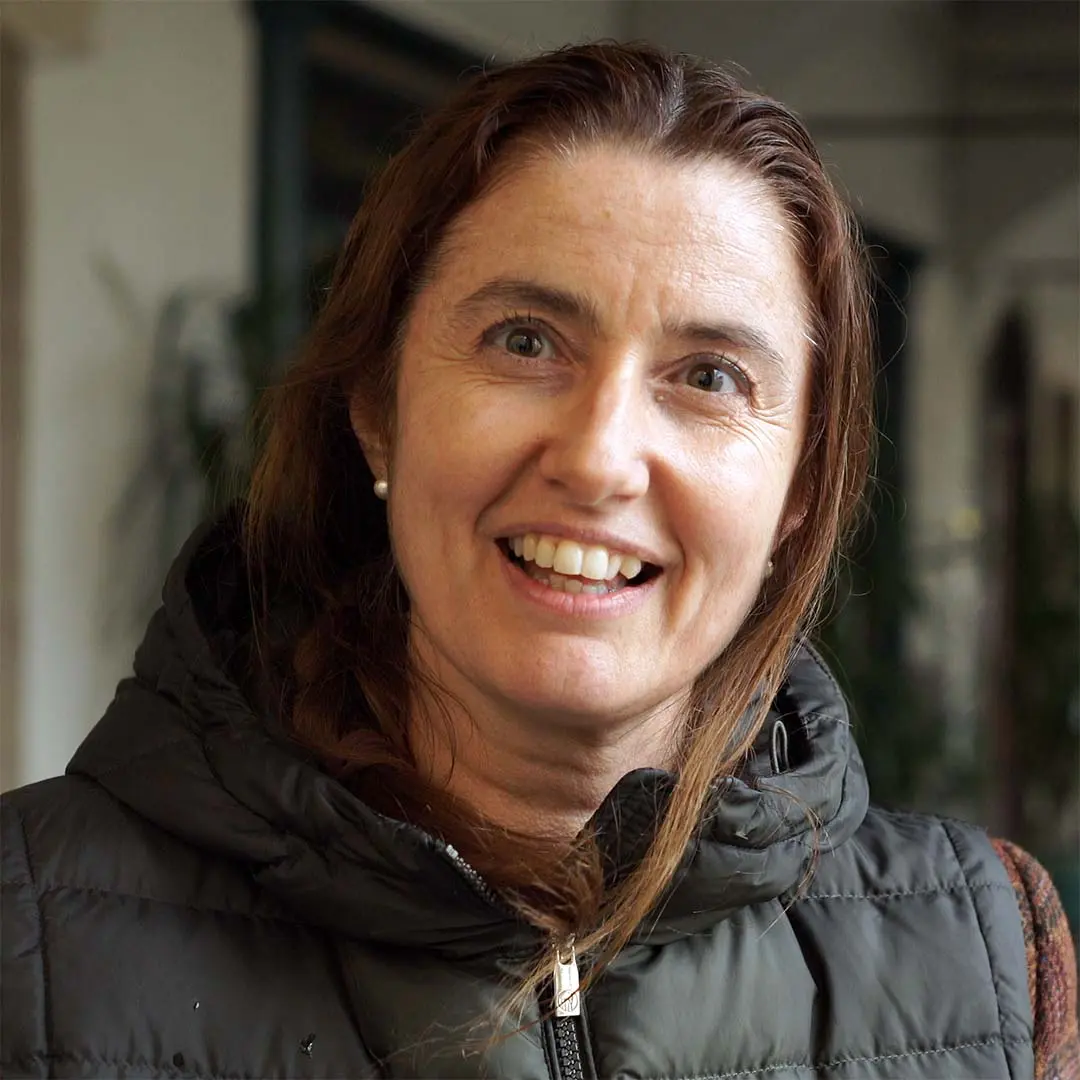
PhD in physics in the field of gravitational waves, Adele La Rana worked at the University of Naples Federico II as part of the LISA (Laser Interferometer Space Antenna) project that studies low-frequency gravitational radiation.
In 2010, she obtained a master's degree in science communication at the International School for Advanced Studies in Trieste.
Since then, she has worked at the TERA Foundation (led by Professor Ugo Amaldi) as a science writer and historian of physics.
With Amaldi she has also written several popular books and textbooks.
Since 2013, she has been affiliated with the Department of Physics at the Sapienza University of Rome. There, she carries out historiographical research into Edoardo Amaldi and other 20th-century physicists, including Oreste Piccioni and Ettore Pancini, and on the revival of general relativity in the 1950s.
Since 2015, she has worked with the Virgo research group at Sapienza, focusing specifically on the history of Italian research in gravitational waves and the Virgo international collaboration.
She is currently working with publishing house Treccani on the Biographical Dictionary of Italian People.
She is also working on a documentary about Edoardo Amaldi with director Enrico Agapito.
Giovanni Battimelli
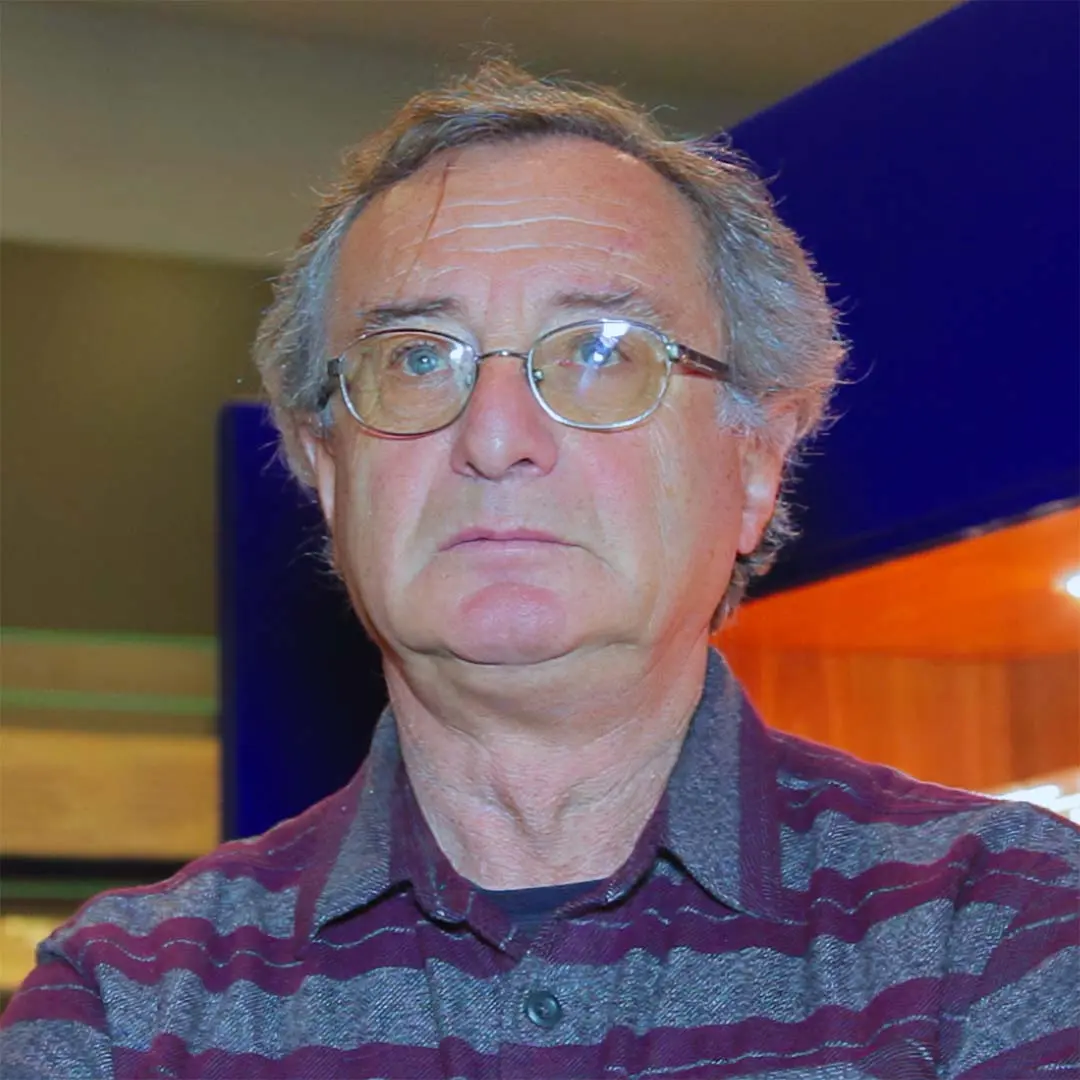
Former associate professor in the Department of Physics at the Sapienza University and former director of the Museo di storia della fisica (English: Museum of the history of physics) in Rome.
Author of various works on the history of physics of the 20th century, with Michelangelo De Maria he published Da via Panisperna all'America (Editori Riuniti 1997) (English: From via Panisperna to America). He contributed to the volume, Per una storia del Consiglio nazionale delle ricerche (English: On the history of the National Research Council), and with Michelangelo De Maria and Giovanni Paoloni, he also wrote The National Institute for Nuclear Physics: the History of a Research Community.
Giacomo Pacini
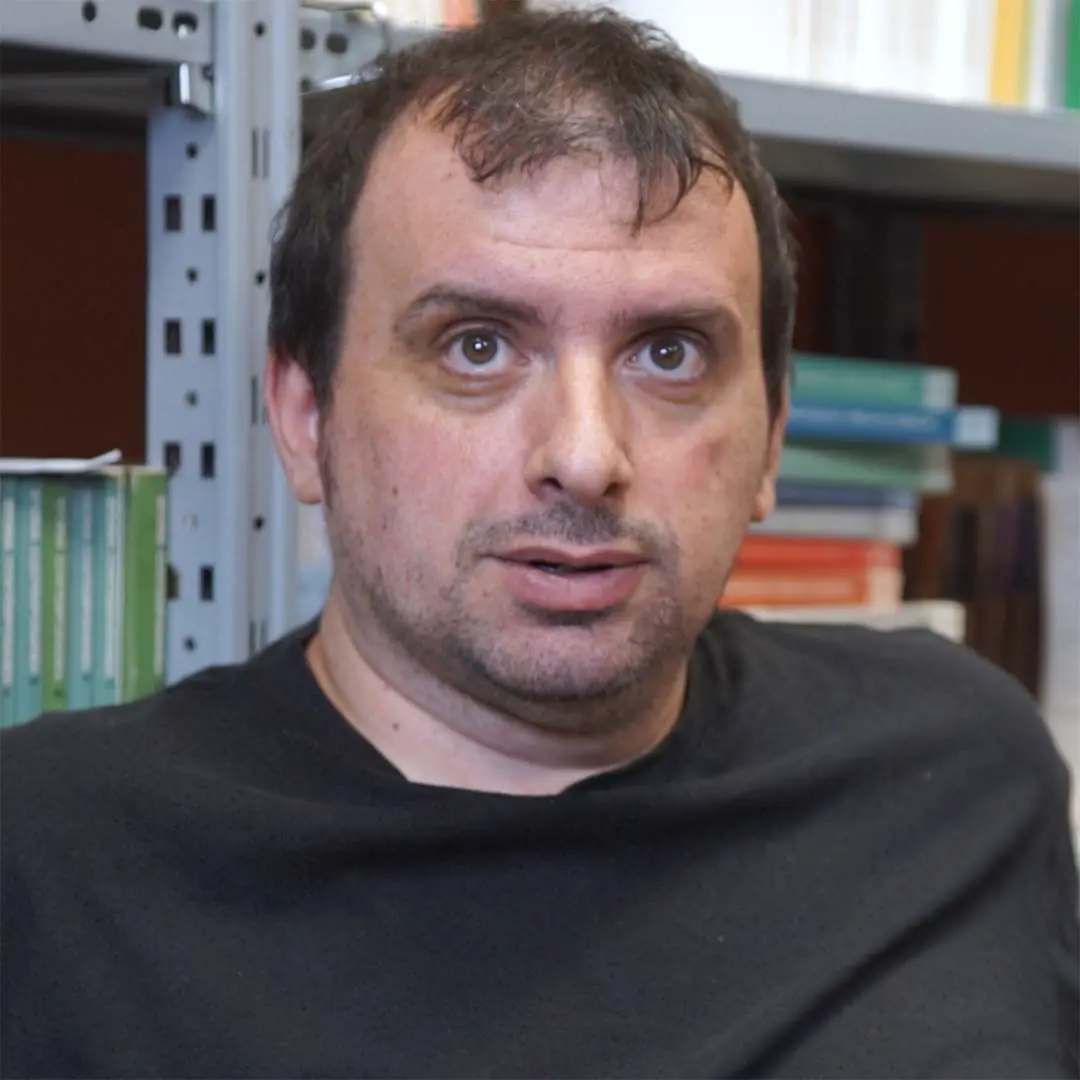
A researcher and essayist, Giacomo Pacini focuses his research on the civilian massacres carried out during World War II, and he also studies the role of the secret services in Republican Italy.
He has published, among other things, Il cuore occulto del potere.
The Hidden Heart of Power: the History of the Ministry of the Interior's Office of Confidential Affairs) (1919- 1984) (Nutrimenti 2010), Divo Giulio.
Andreotti e sessant'anni di storia del potere in Italia (with Antonella Beccaria, Nutrimenti 2012).
For Einaudi, Le altre Gladio.
La lotta segreta anticomunista in Italia. 1943-1991 (2014) and La spia intoccabile.
Federico Umberto D'Amato e l'Ufficio Affari Riservati (2021).
For Einaudi, he also wrote La Spia Intoccabile (2021).
Carlo Bernardini
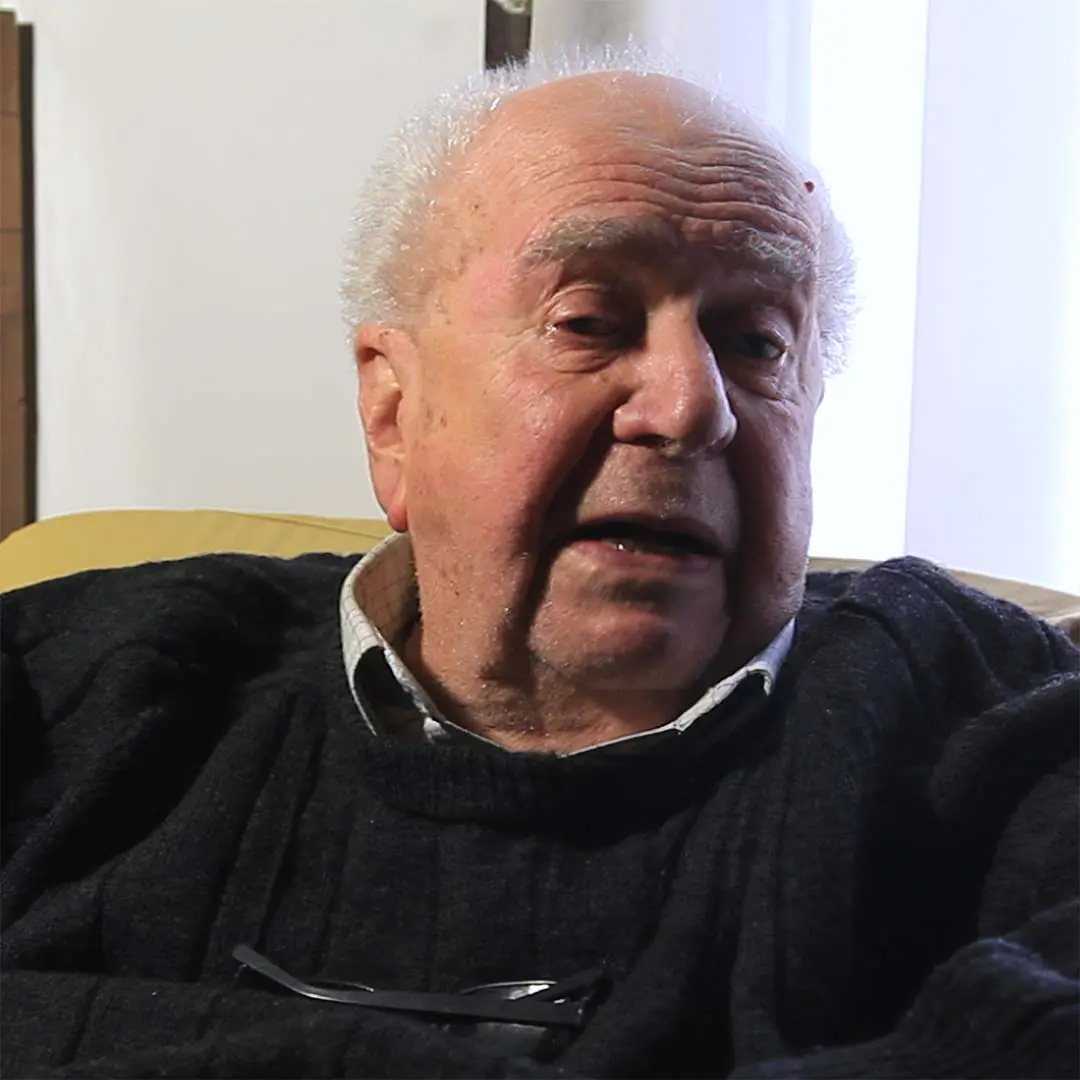
Carlo Bernardini was born in 1930 in Lecce where he went to Palmieri classical high school.
Following this he moved to Rome for study, where on 19th March 1952, he graduated with a physics degree from the Sapienza University.
Having struck up a friendship with Professor Enrico Persico, he worked with him for a few years holding lectures at the university.
After this he began working at INFN's (National Institute for Nuclear Physics) Frascati National Laboratory (LNF), becoming part of the so-called 'synchrotron group' with physicists such as Giorgio Salvini, Bruno Touschek, and Persico.
Their work culminated in the creation of AdA, the first electron-positron collider. With this same group he also dedicated himself to the development of the ADONE particle accelerator.
Between 1969 and 1971, he was Chair of General Physics at the University of Naples. Following this, he returned to Rome and held various positions at the INFN, of which he was also the Dean of Faculty.
Senior Professor of Mathematical Models and Methods of Physics, in 1976 he ran for the Senate of the Italian Republic, as an independent of the Communist Party, and was elected in a Roman constituency.
Following his involvement in politics, he began writing as an Opinion columnist for various newspapers on social and, of course, scientific issues, helping promote several public awareness campaigns, among which that for atomic disarmament. This was a sentiment shared by many other physicists of the time, united under the USPID (Italian Union of Scientists for Disarmament, of which Bernardini was a founder). He also expressed his support for the introduction and production of nuclear energy in his country.
He ultimately lost this fight, however, following a referendum in 1988 that led to the abandonment of nuclear energy in Italy.
During this period, he also became editor-in-chief of the scientific journal Sapere and wrote numerous books, both scientific and otherwise.
He died in Rome in June 2018.
Francesco De Martini
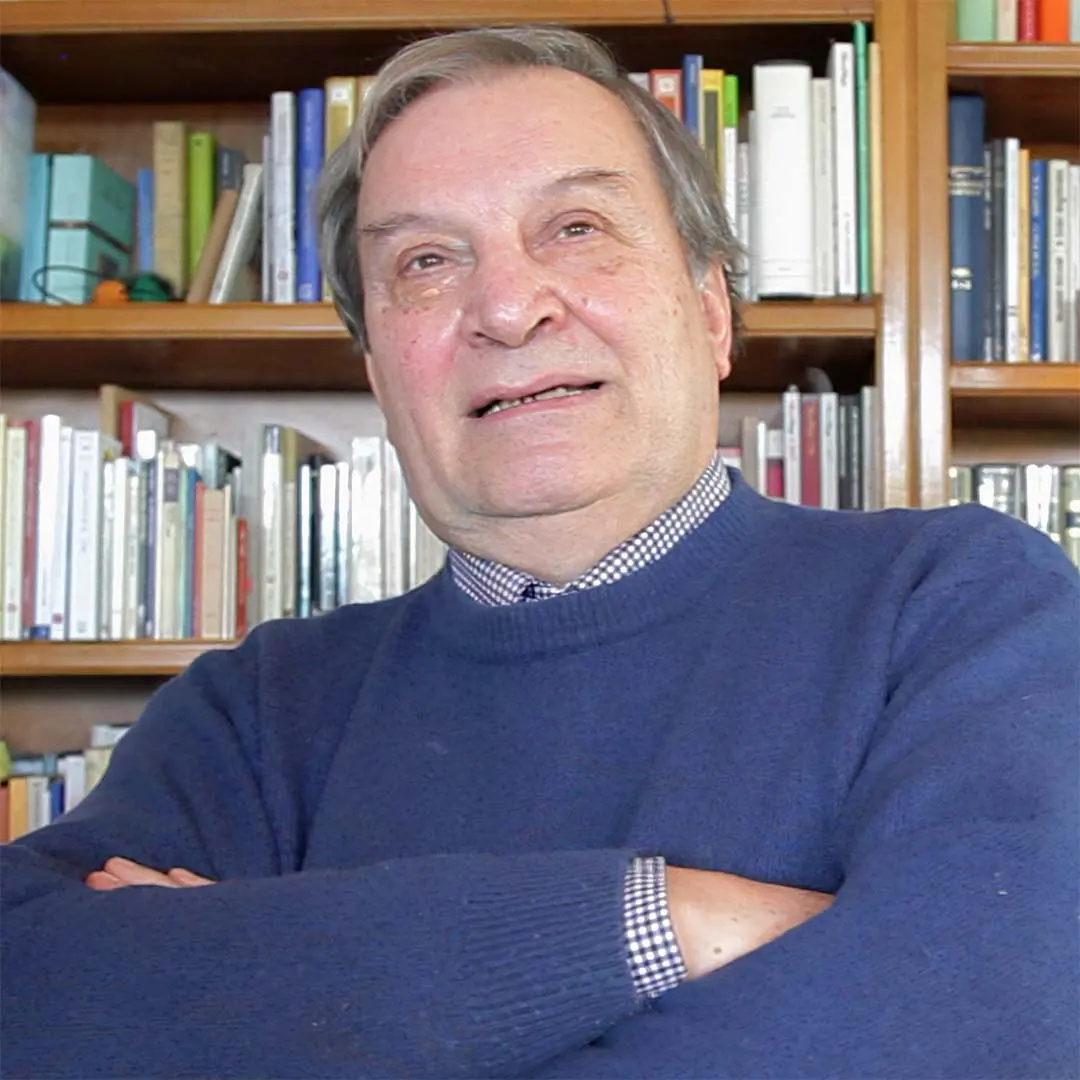
Formerly Professor of Quantum Information at the Sapienza University of Rome,
Francesco De Martini is one of Italy's most eminent physics educators.
After finishing his engineering degree at the Polytechnic University of Milan, he joined the staff of the Massachusetts Institute of Technology (MIT) for three years.
He subsequently became a physics professor at the University of Naples, and from 1979 at the Sapienza University of Rome, where he runs the Quantum Optics laboratory.
In 2007, he joined the Accademia dei Lincei.
He has written over two hundred articles for numerous specialist journals.
The first ever experiments in quantum teleportation were carried out between 1993 and 1997 by two international research groups led by Francesco De Martini of the Sapienza University of Rome and Anton Zeilinger of the Institute for Experimental Physics of Vienna.
They succeeded in teleporting the quantum state of a photon.
In 2004:
De Martini successfully teleported the quantum state of photons across the Danube River—a distance of 600 metres.
On the Accademia dei Lince it reads:
"This is the profile of someone who has reached a considerable age in good health, and who intends to go on guided by a deliberate commitment to decency and honesty, making full use of the intelligence and cultural knowledge they have acquired thus far and will continue to acquire.
Science, in particular modern cosmology, as well as the continuous (and exhausting!) study of the piano (started at age five), remain central passions.
On this final point, Federico Chopin and Roberto Schumann are current inspirations: after this, who knows..."
Valerio Bocci
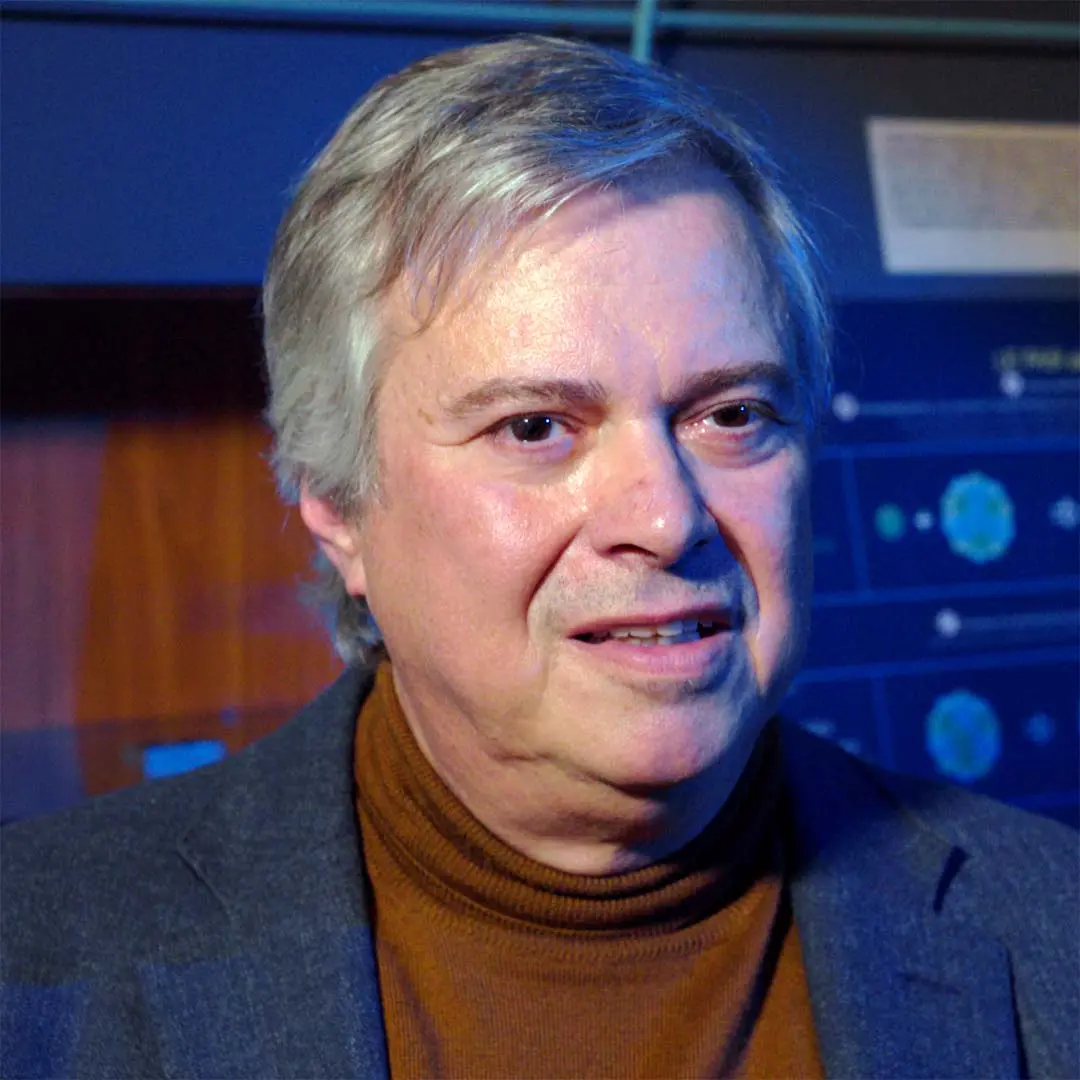
Professor Valerio Bocci, born in 1966, graduated in physics in 1991 from the University of Rome Tor Vergata and is a distinguished physicist and senior technologist at the INFN.
He specialises in electronic instrumentation, data acquisition systems, and particle detectors.
As one of the principal designers, his expertise has played a key role in major particle physics experiments worldwide, including DELPHI, Atlas and LHCb at CERN in Geneva, KLOE at the National Laboratories of Frascati, and Auger in Argentina.
His work also involves the development of detectors for medical physics applications.
In academia, Professor Bocci is an associate professor in the Department of Physics at the Sapienza University of Rome.
He teaches 'Electronics for High Energy Physics' to doctoral students and 'Solid State Sensors' to master's students.
His most recent projects, focused on the development of compact detectors with advanced sensors and on-chip systems, span various fields, including physics, space instrumentation, molecular biology, and education.
He is also actively engaged in a range of outreach activities.
The International Astronomical Union (IAU) named a meteorite (114611) Valeriobocci in his honour.
His project ArduSiPM, chosen as one among the ten best projects at the European Maker Faire, was presented to the European Parliament, highlighting its significant impact and innovation.

SUPPORTING/VISUAL MATERIALS
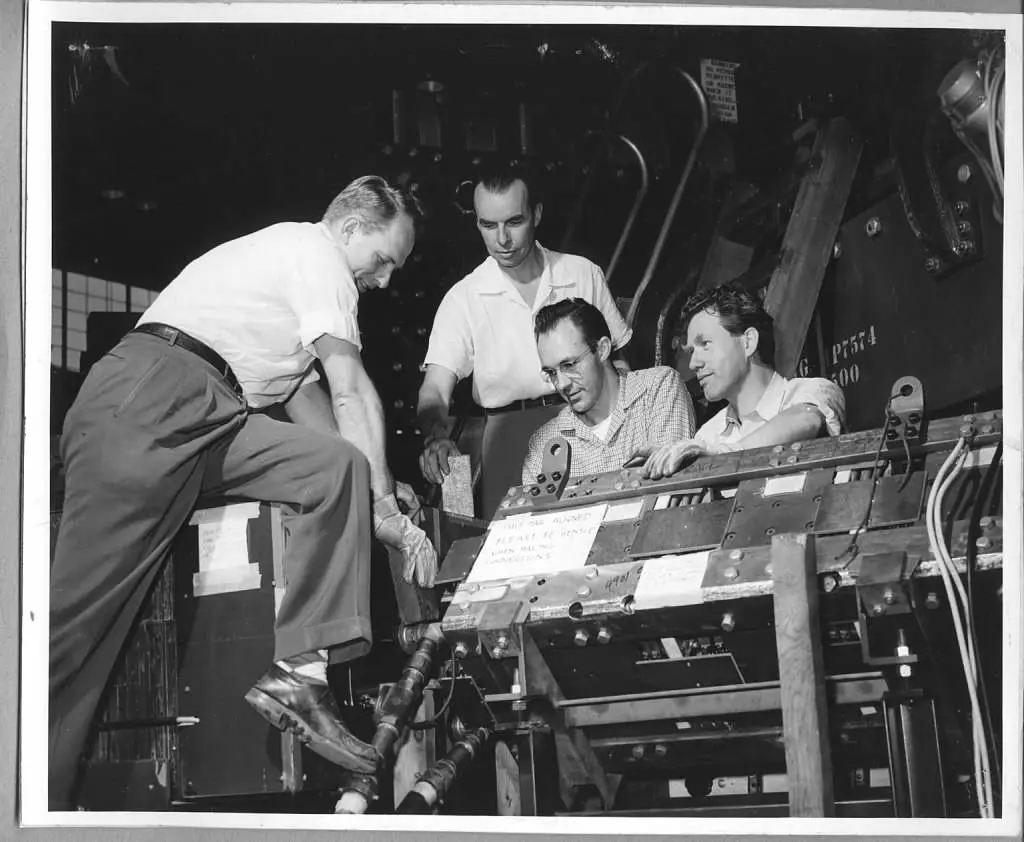
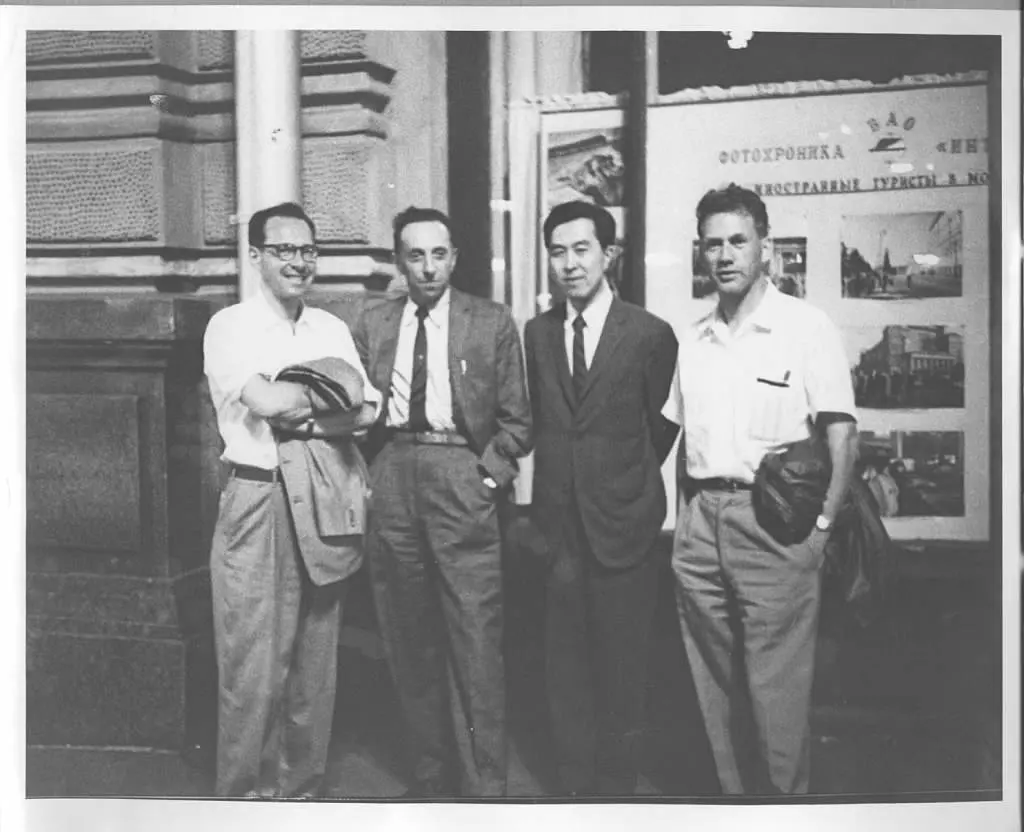
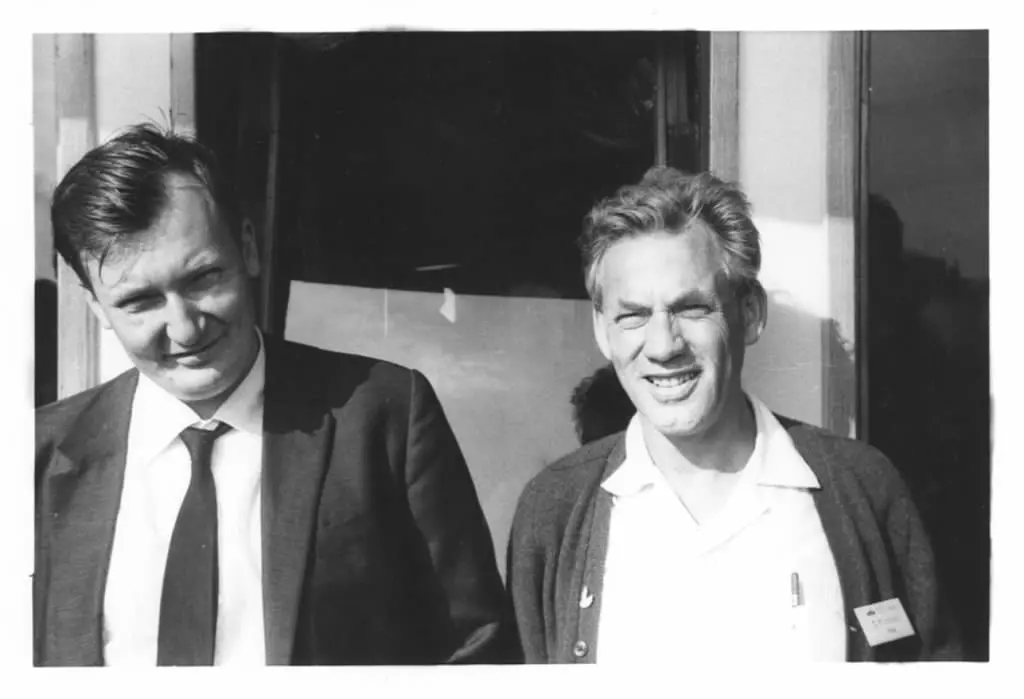
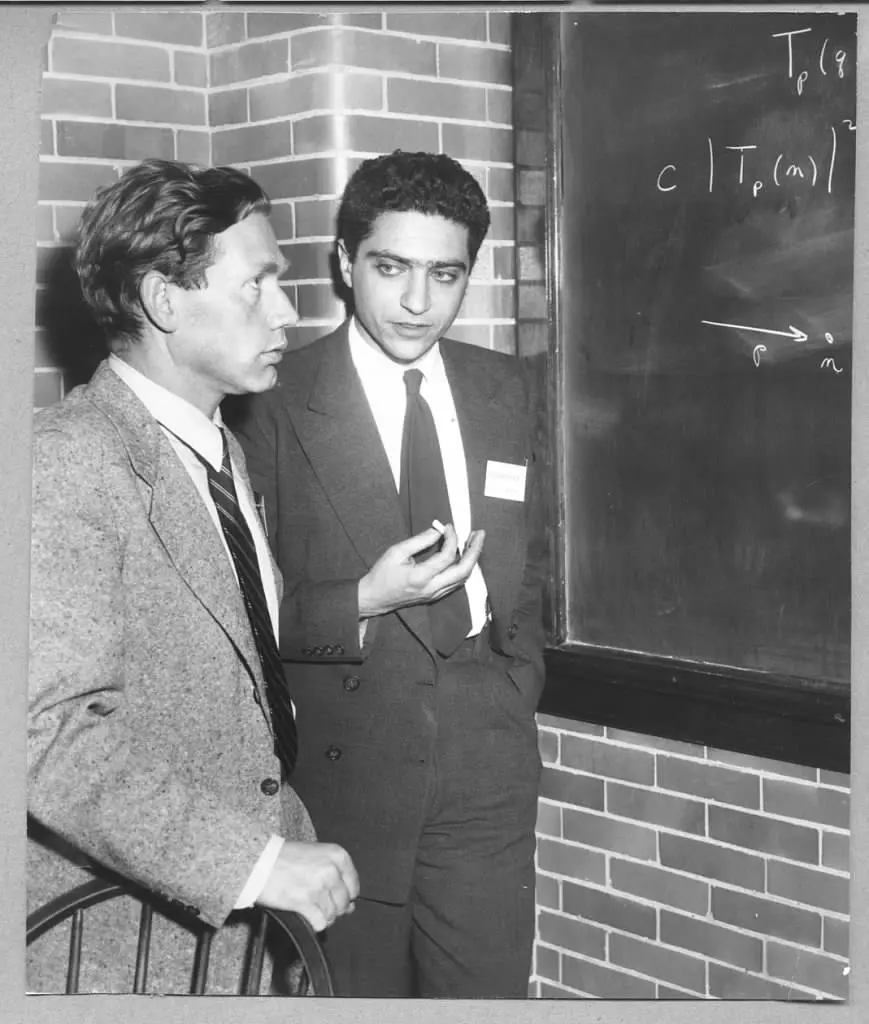
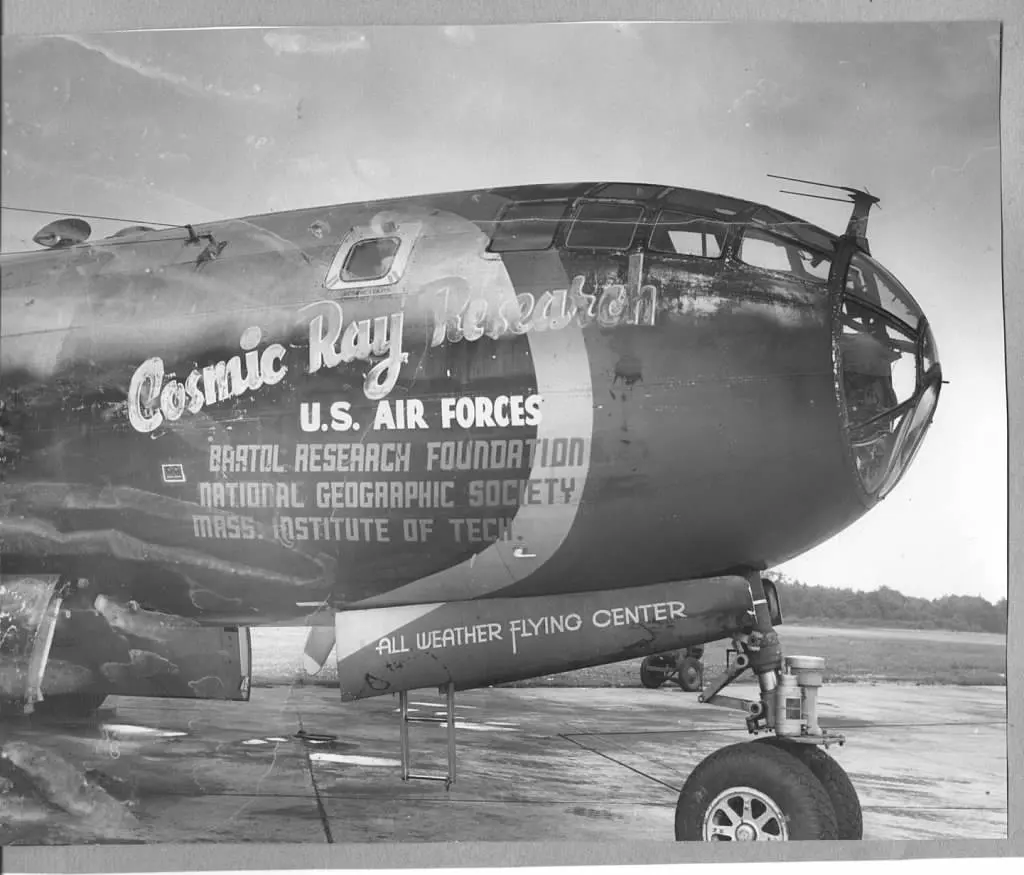

Art Direction, Graphics, and Animation
Roberto Biadi
Graphic Designer
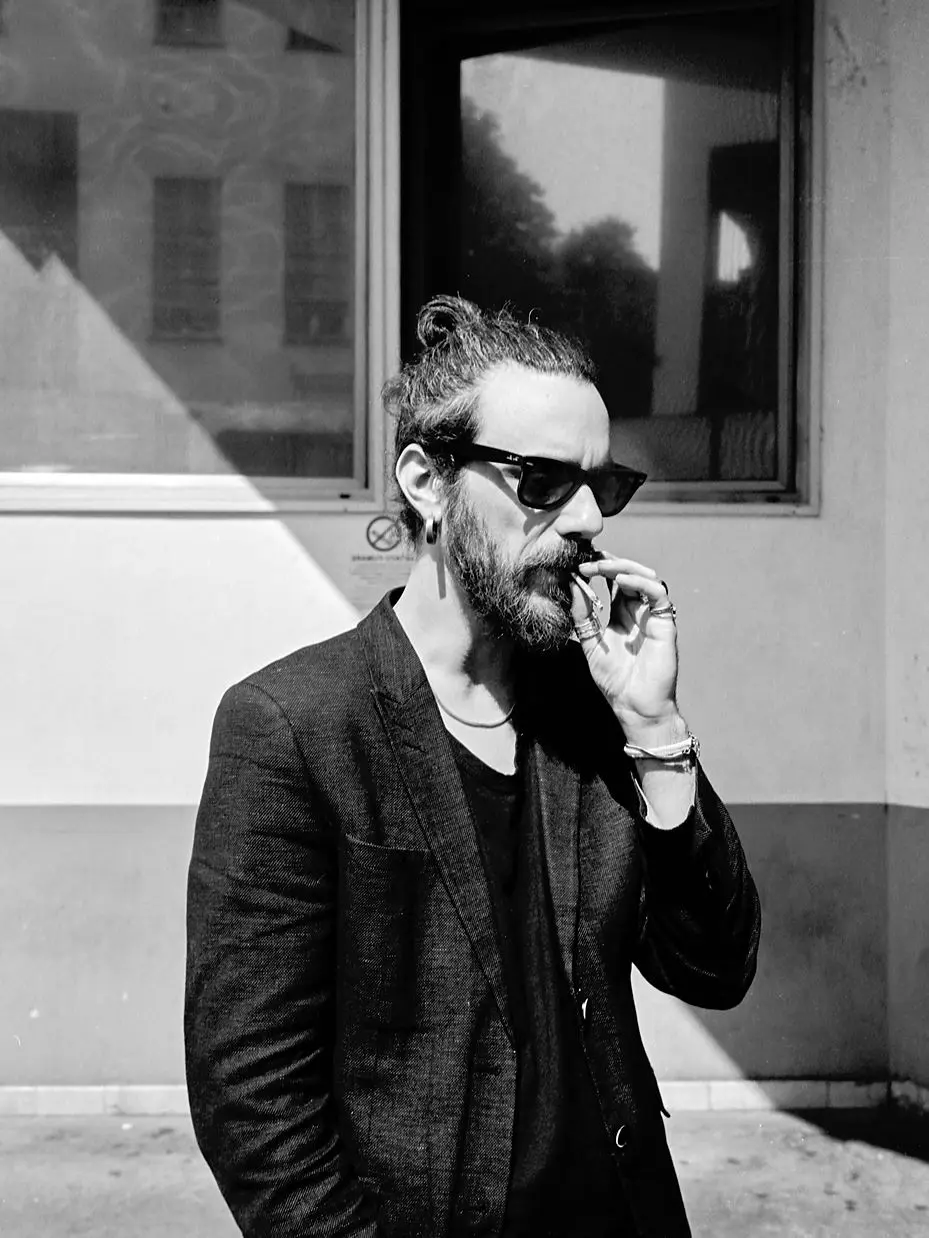
Graphic designer's Statement
General notes on the animation.
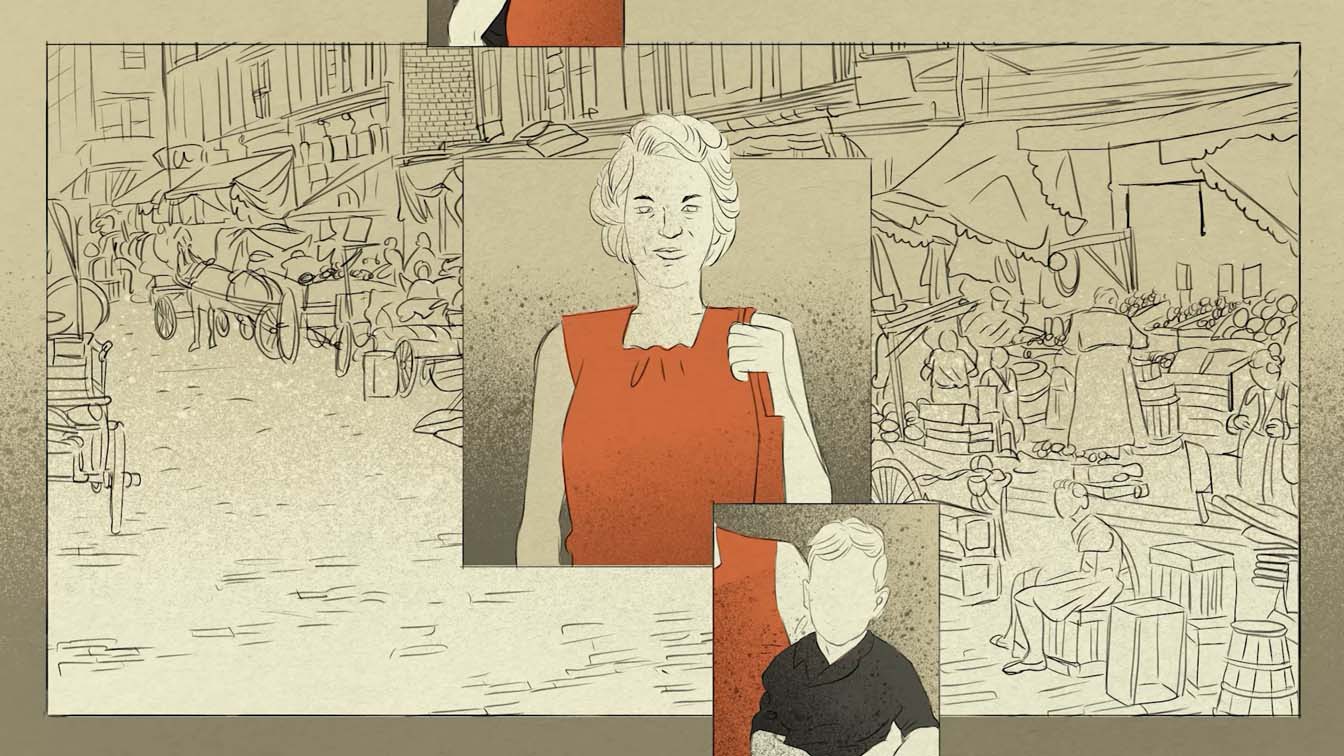
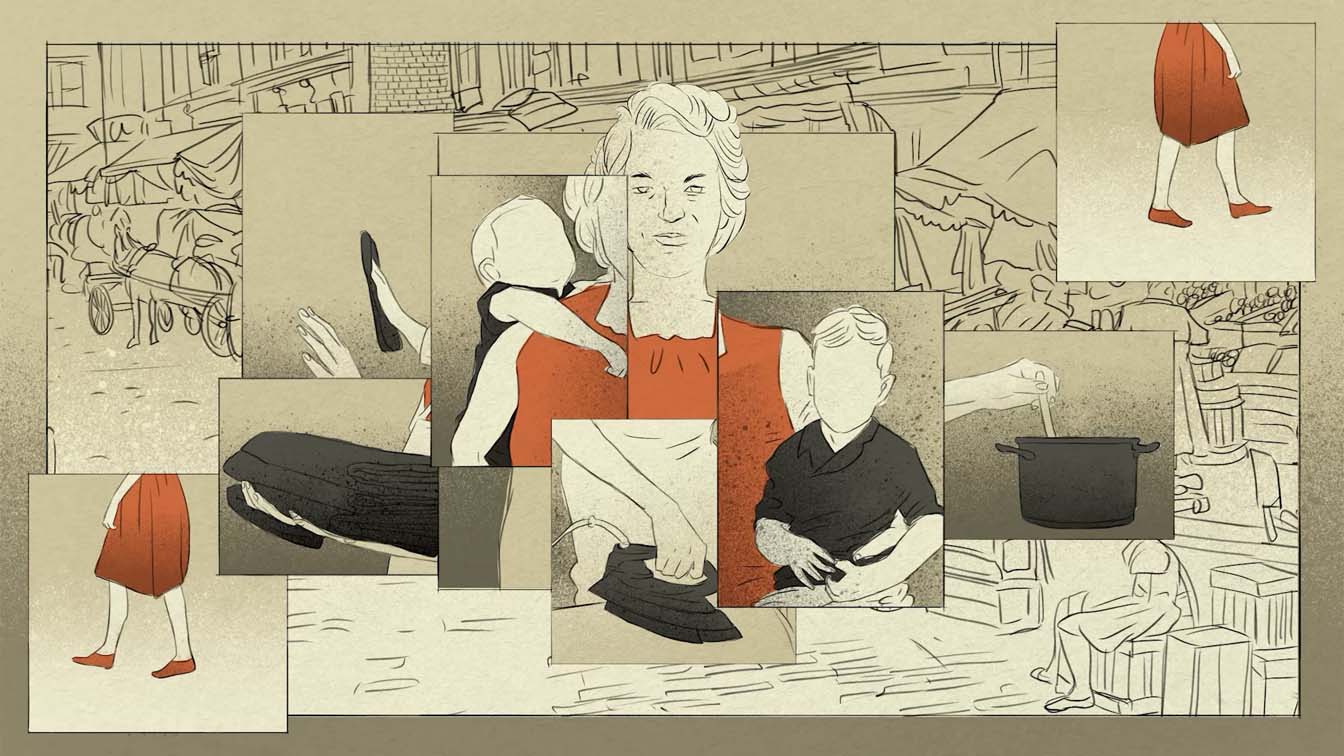
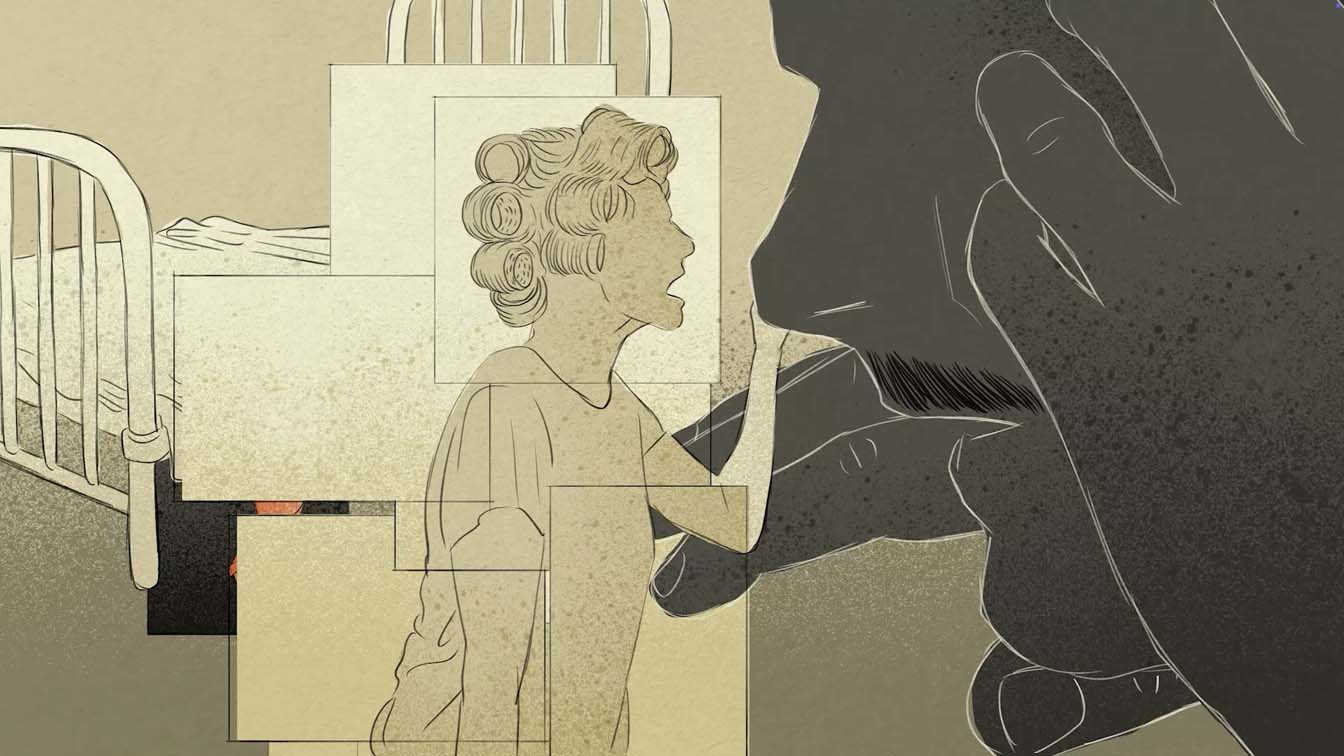
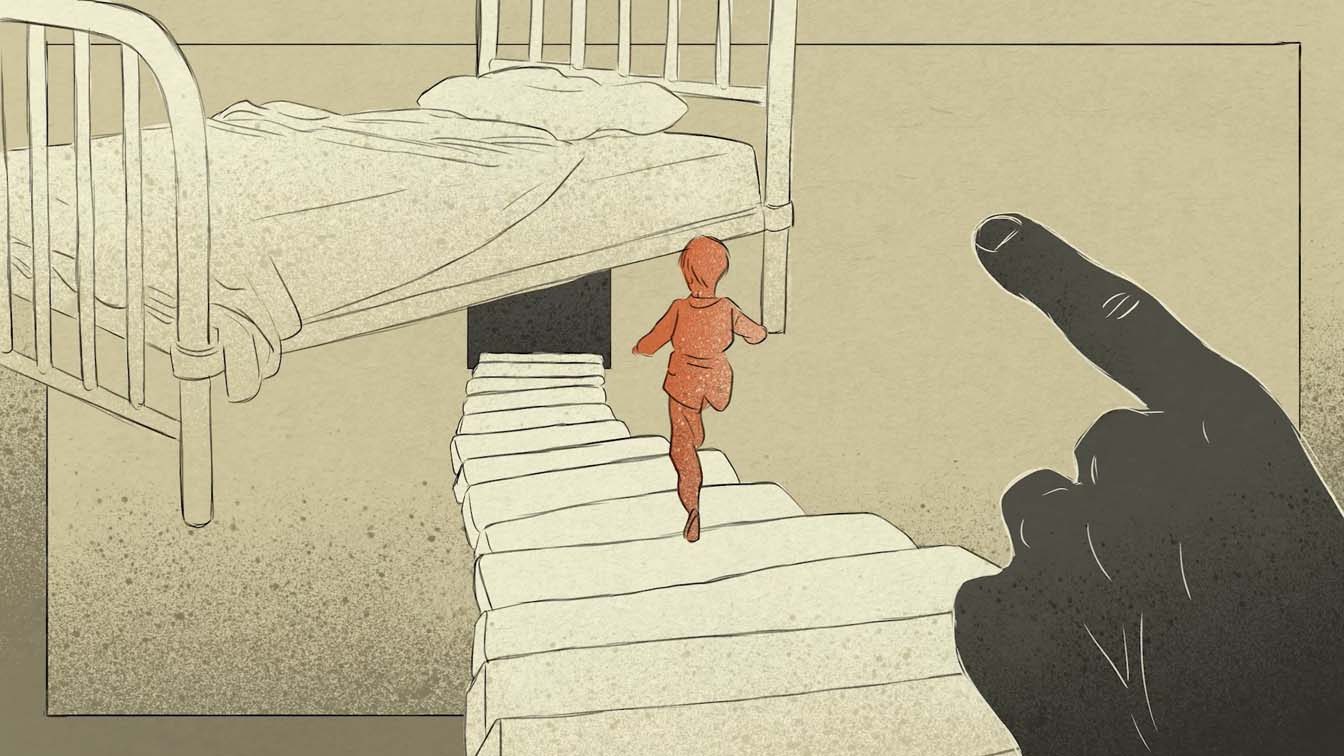
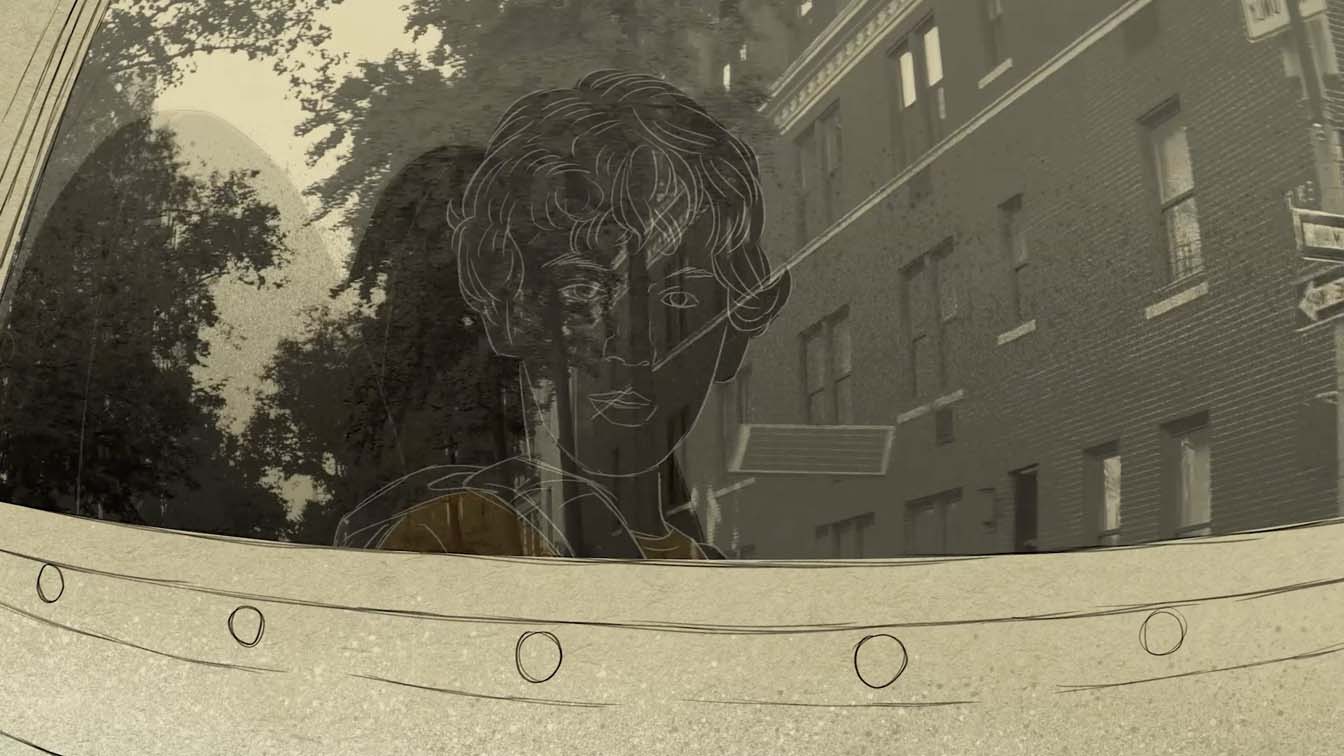
The animation style is grounded in manually drawn strokes: pencil sketches come to life
and create evocative rather than literal scenes, conjuring strong visual references to
the past they illustrate and reflecting the 'craftsmanship' with which Piccioni embarked
upon his study of physics.
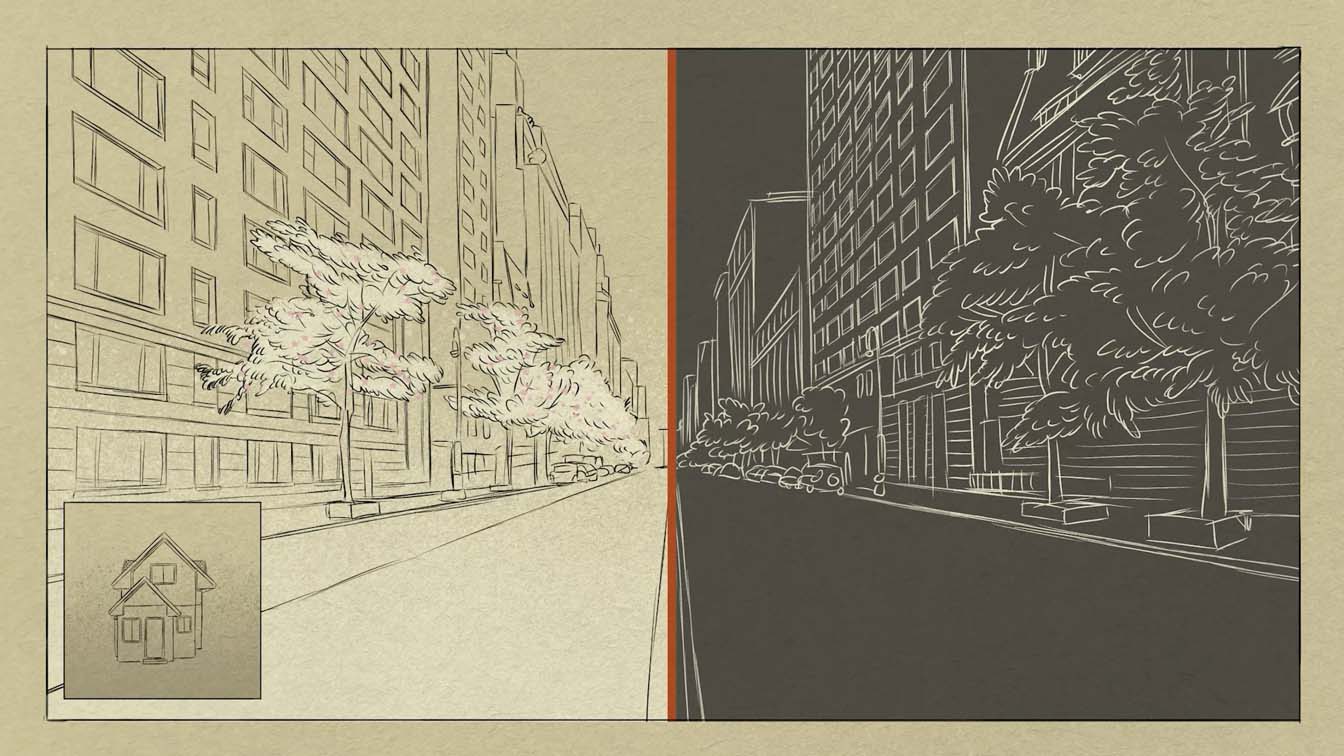
Scenes are constructed as a composition of diverse
vignettes, where the hand-drawn lines engage in constant dialogue with the structured
lines that form the frames, just as the flow of the narration is in dialogue with the
information (scientific and non) that it conveys.
Naturally, everything will be defined through established guidelines and easily
recognisable visual signs, drawing in the layman viewer while also giving a nod to
industry professionals.
In two words: synthesis and emotion, as exemplified by
the great Piccioni, who navigated the rational world of science with the passion of a
romantic soul.
Areas of interest
The animation is designed around two main branches:
_Narrative scenes:
Fiction that evocatively depicts the events of the protagonist. There will be no conventional
linear narrative, but rather a graphic universe that borders on the surreal, where scenes
are given emotional interpretations while remaining faithful to the facts and people involved.
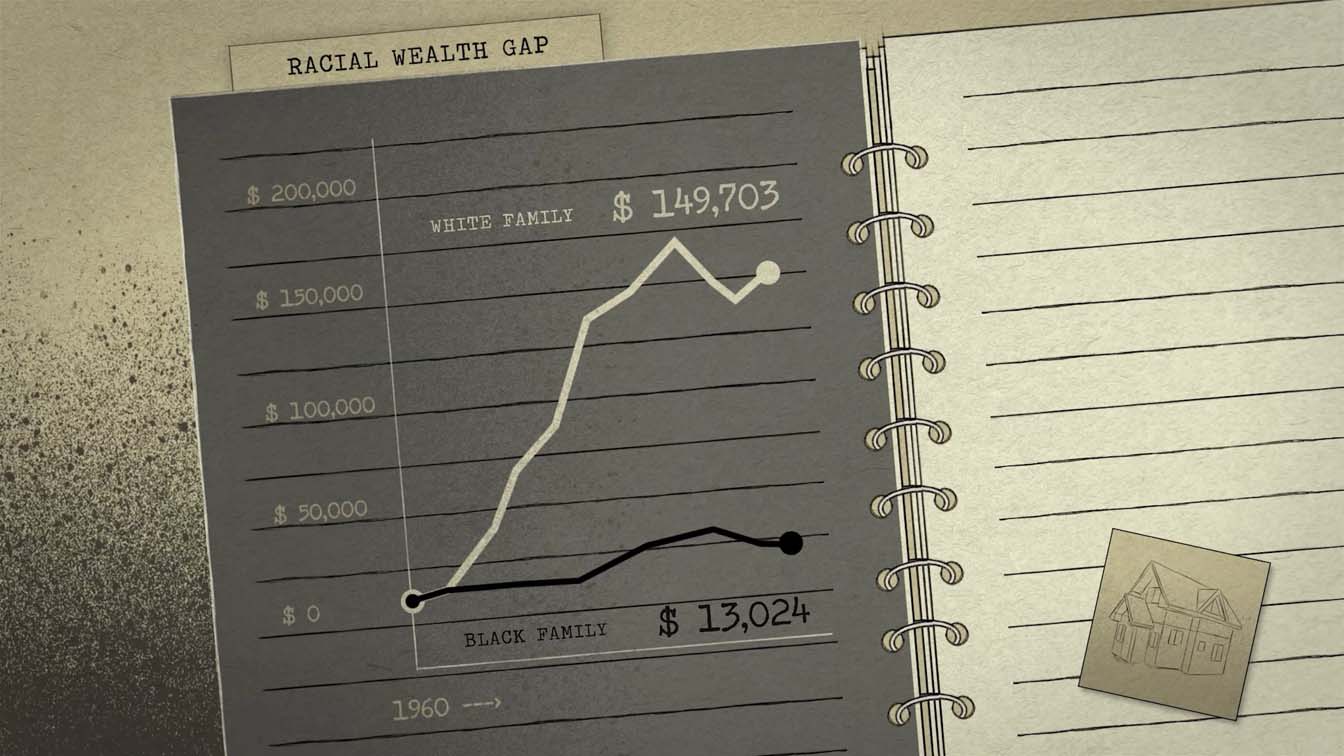
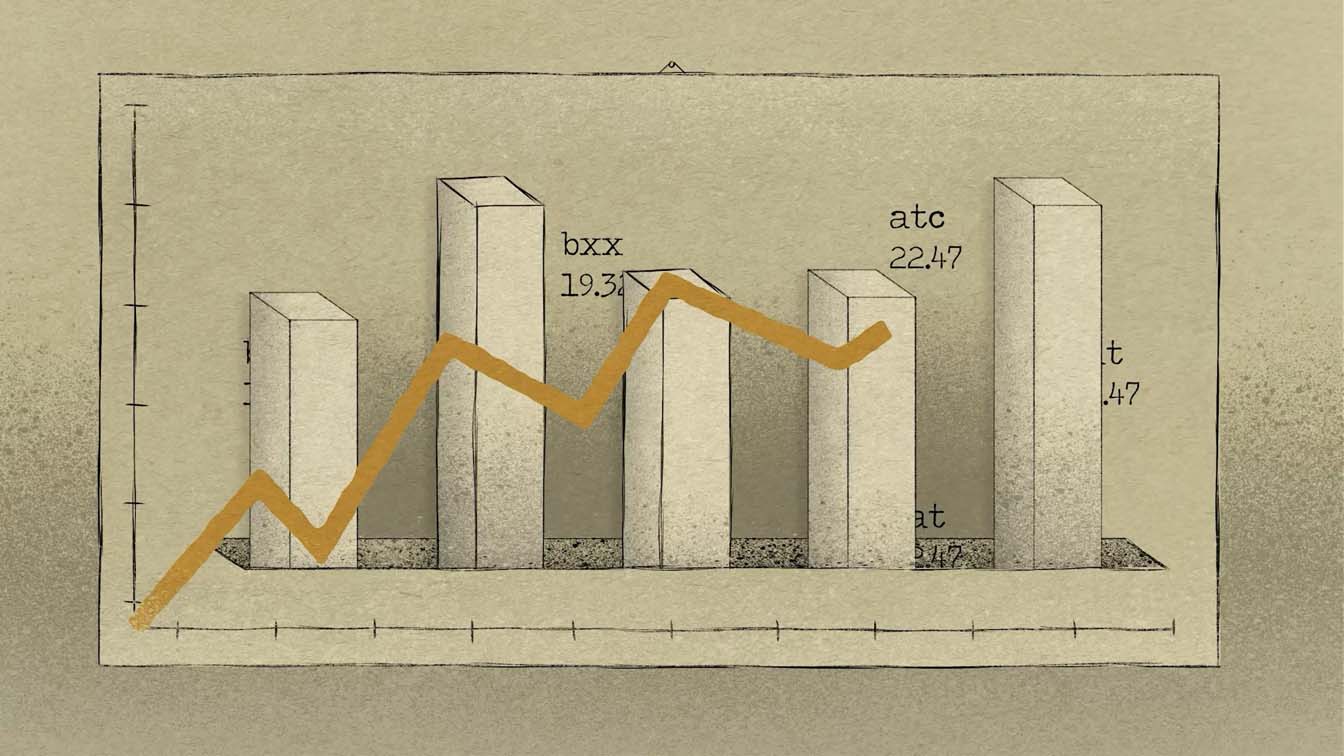
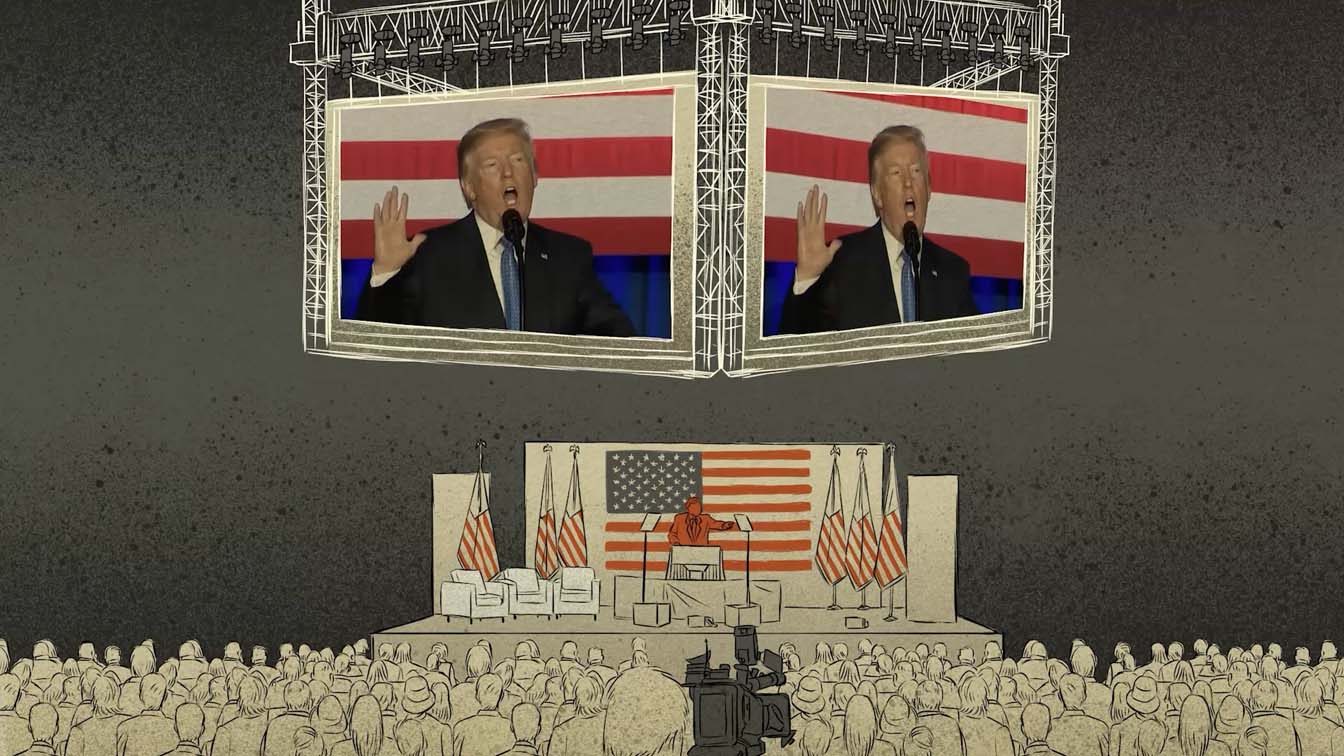
_Infographics:
Graphics and information will highlight,
explain, or narrate specific experiments or aspects of the story. These will be treated
not only as informative but aesthetic, creating coherence with the narrative scenes and
shaping the documentary's visual identity.
Technical notes
The animations will be composed of hand drawings, traditional animation, animated
graphics, and infographics.
Rotoscoping will be used where possible to render
poses, movement, and settings realistic and create a contrast with the evocative
reproduction of the narrative.
Real people and places will be recognisable
from either the drawings themselves or through a stylised graphic 'alphabet' that will
provide visual cues and simplify recognition throughout the documentary.
Biography
Roberto Biadi was born in Maremma, in the south of Tuscany, more or less 40 years ago.
Driven by a deep passion for narrative and the need to depict its unfolding events, he
experiments with various techniques, from illustration and animation to graphic novels,
writing, and directing.
He moves between experimental short films and work for advertising agencies
and various brands both in Italy and worldwide. He worked as the internal video art
director for IndependentIdeas before embarking on a freelance career that more readily
nurtured his love for experimentation and cross-media exploration.
In London, he has published The Swastika on the sun for AkinaBooks.
His two most representative shorts, H and Shunga, attempt to overload the
viewer's ability to perceive every detail in continuous transformations that act
primarily as a narrative 'environment' as opposed to a traditional and linear path to
follow.
He has produced and directed many video clips and animations for
documentaries, the most recent of which (Death&Taxes) is currently at DocNYC in New
York.
He also published his debut graphic novel Le nuvole del Soffitto for add
editore in 2024.
At present he is working on a project (36 vedute di un centro commerciale)
related to the Ukiyo-e aesthetic: a series of illustrated pages that are also the
different phases of an animated short film in which a young girl must sacrifice a part
of herself to save her father, set in a dystopian shopping centre.
Most importantly, he has a beautiful daughter named Nina.